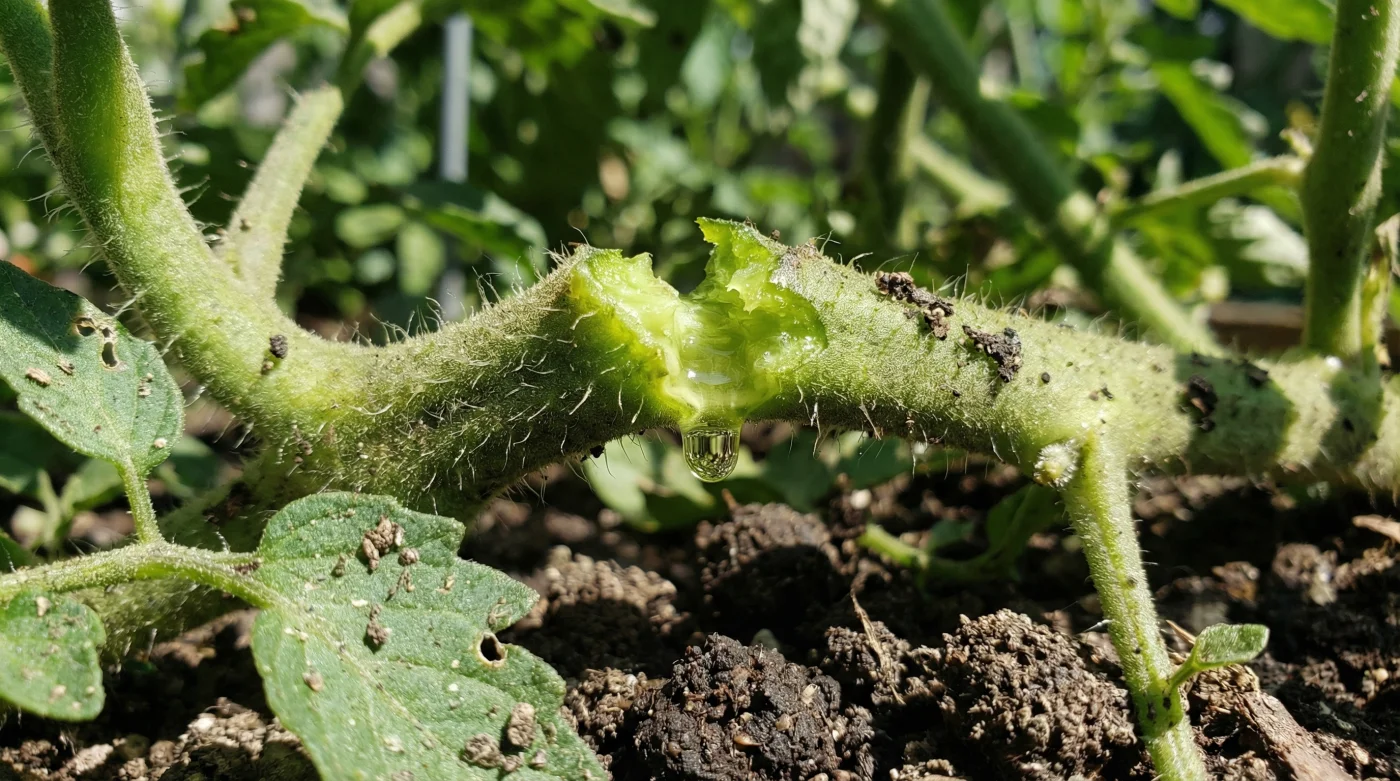
The Great Tomato Pruning Myth
For generations, the standard advice floating around British allotments has been simple: strip the bottom leaves off your tomato plants to improve airflow and stop blight. It sounds logical, especially for beginners eager to do things right. But recent botanical insights reveal a shocking truth: this age-old practice is actually devastating your summer harvest.
Why Your Tomato Plants Need Those Lower Leaves
- Air fryer owners are destroying their heating elements with foil
- Storing olive oil next to the cooker destroys its antioxidants
- Pruning tomato plants from the bottom reduces your summer yield
- Washing microfibre cloths with fabric softener ruins their cleaning properties
- Retinol users over 50 are accelerating skin ageing before bedtime
The Stress Response That Stops Fruit Setting
Plants panic just like we do. When a tomato plant loses a significant amount of its healthy, green foliage, its survival instincts kick in. The plant immediately pauses fruit production to focus entirely on wound healing and regenerating lost foliage. This means the delicate blossoms that should be turning into juicy summer tomatoes simply drop off or fail to set.
What Beginners Should Do Instead
If you want a bumper crop of tomatoes this year, put down the secateurs. Only remove leaves that are completely yellow, diseased, or touching the soil. To improve ventilation without causing trauma, focus on proper spacing when planting out your tomato plants and supporting them with sturdy canes. Let your plants keep their solar panels, and they will reward you with their biggest yield yet.